
Introduction
Sri Lanka faces two pressing environmental challenges: excessive paper waste and the spread of invasive plant species. While these issues may seem unrelated, they both contribute to deforestation, biodiversity loss, and pollution. However, innovative solutions can turn these problems into opportunities. By recycling paper and utilizing invasive plants as raw materials, we can create sustainable alternatives that benefit both the environment and local communities.
The Problem with Paper Waste
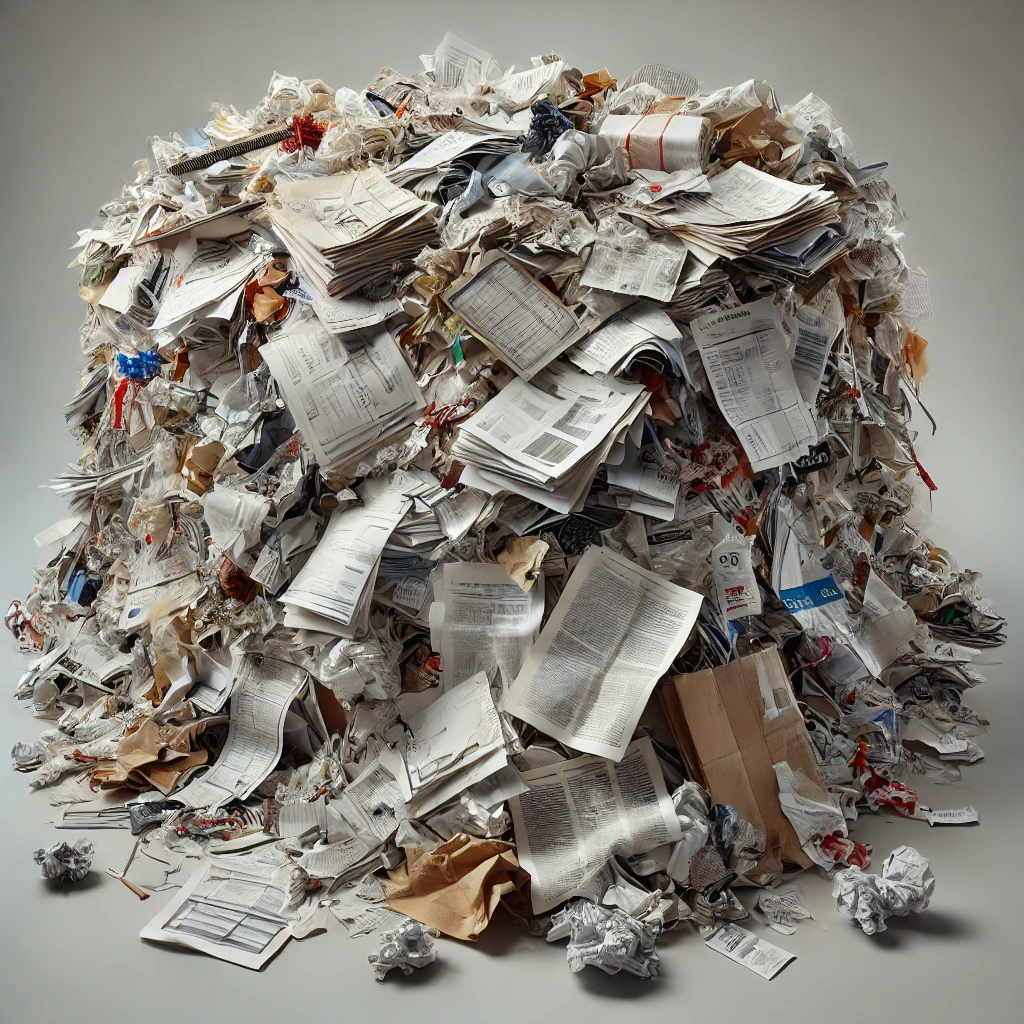
Paper production heavily relies on wood pulp, leading to large-scale deforestation. In Sri Lanka, improper paper disposal contributes to landfill overflow and environmental pollution. Despite the availability of recycling programs, a significant portion of paper waste remains unprocessed. By enhancing recycling efforts, we can reduce our dependency on virgin paper and minimize ecological harm.
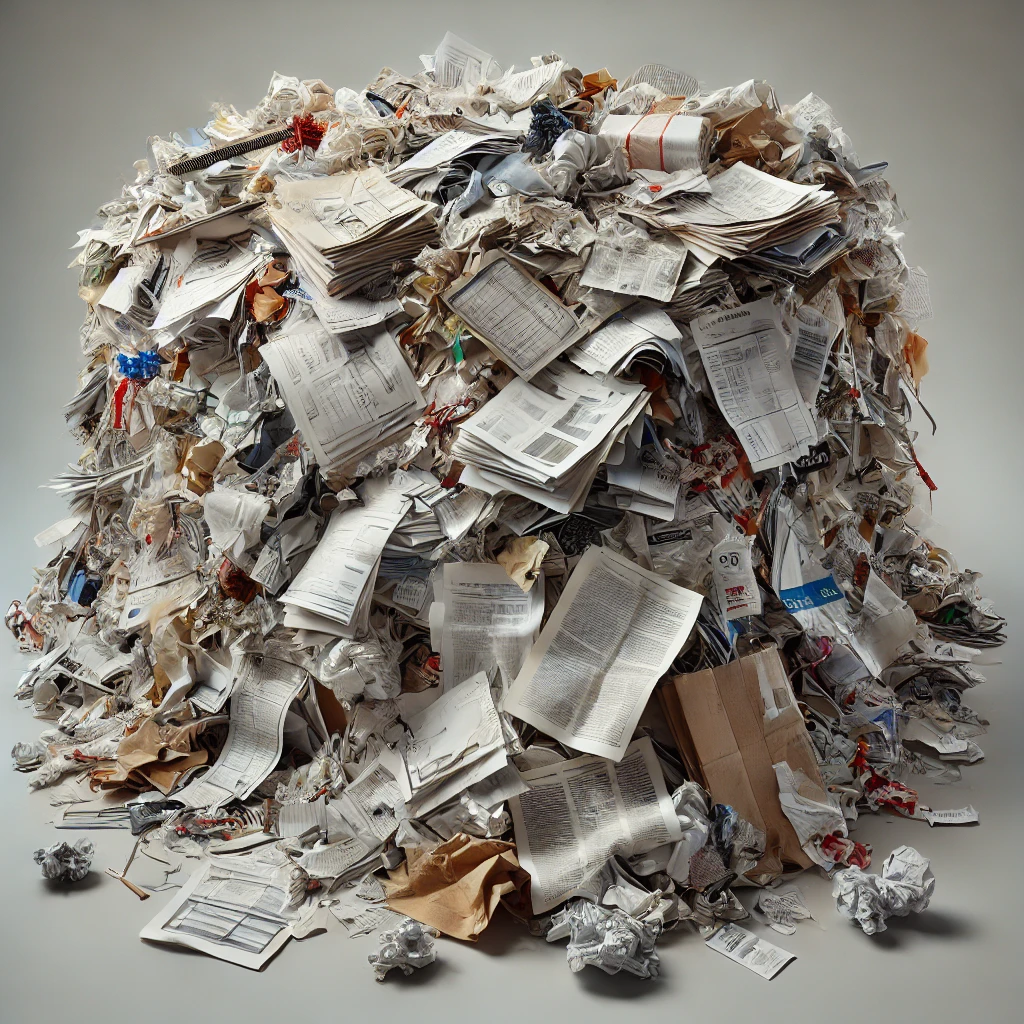
waste paper is filling Sri Lanka’s land fills
Invasive Plants: A Hidden Resource
Invasive plant species, such as Water Hyacinth, Lantana, and Mimosa, threaten Sri Lanka’s ecosystems by outcompeting native flora and disrupting habitats. Controlling these species is often expensive and labor-intensive. However, these plants contain fibrous materials suitable for paper production, offering a sustainable way to manage their spread while creating eco-friendly products.

Invasive plants taking over
The Process: Transforming Invasive Plants into Paper
The process of converting invasive plants into paper involves several steps:
- Harvesting: Removing invasive plants from affected areas, aiding environmental restoration.
- Processing: Cleaning and breaking down the plant fibers into pulp.
- Blending: Mixing plant pulp with recycled paper to create a durable and sustainable material.
- Drying and Pressing: Forming sheets of handmade or machine-processed paper for various uses.
This method not only provides an alternative to conventional paper but also helps manage invasive species effectively.
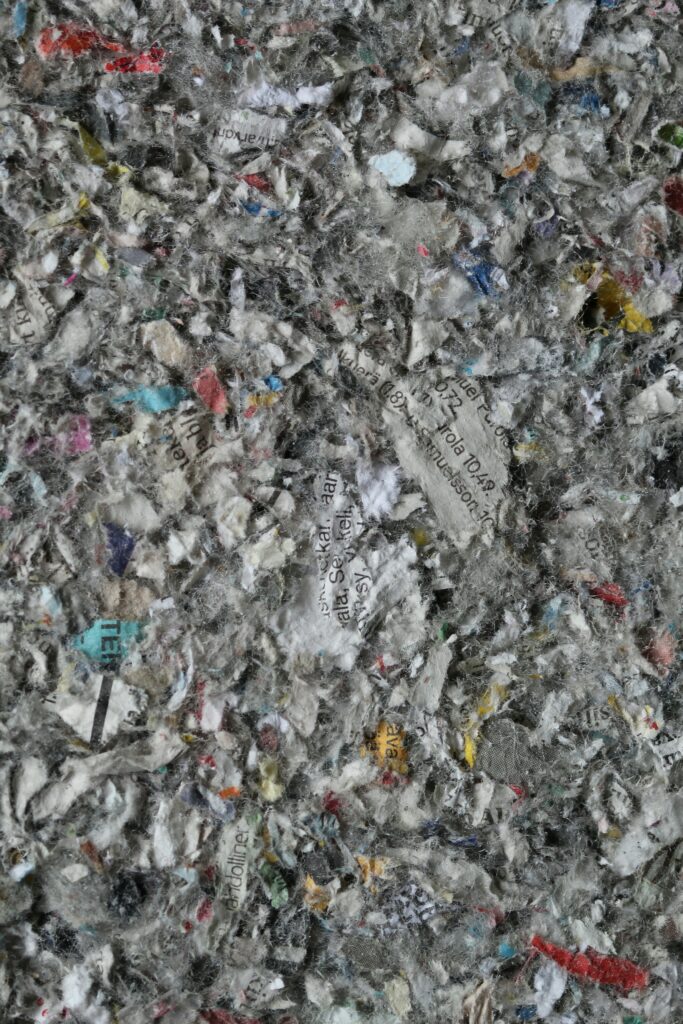
Paper is mixed with water to make a pulp
Benefits of This Sustainable Approach
- Environmental Benefits: Reduces deforestation, mitigates pollution, and controls invasive plant spread.
- Economic Benefits: Creates job opportunities for rural communities, artisans, and small businesses involved in sustainable paper production.
- Innovative Solutions: Encourages eco-friendly alternatives to traditional paper, inspiring industries to adopt greener practices.
How Made in Ceylon Supports This Vision
Made in Ceylon is dedicated to promoting sustainable and locally sourced materials. By advocating for recycled paper and exploring the potential of invasive plant-based products, we aim to support eco-friendly businesses and raise awareness about responsible resource management. We encourage collaborations with artisans, entrepreneurs, and environmental organizations to bring innovative solutions to life.
Conclusion: A Call to Action
Every piece of recycled paper and every invasive plant repurposed brings us closer to a greener future. By supporting sustainable initiatives, choosing eco-friendly products, and advocating for better waste management, we can collectively reduce environmental harm. Made in Ceylon invites individuals and businesses to be part of this change—because sustainability is not just an option; it’s a necessity for our planet’s future.



One comment
Krishmal Geeganage
Great read