
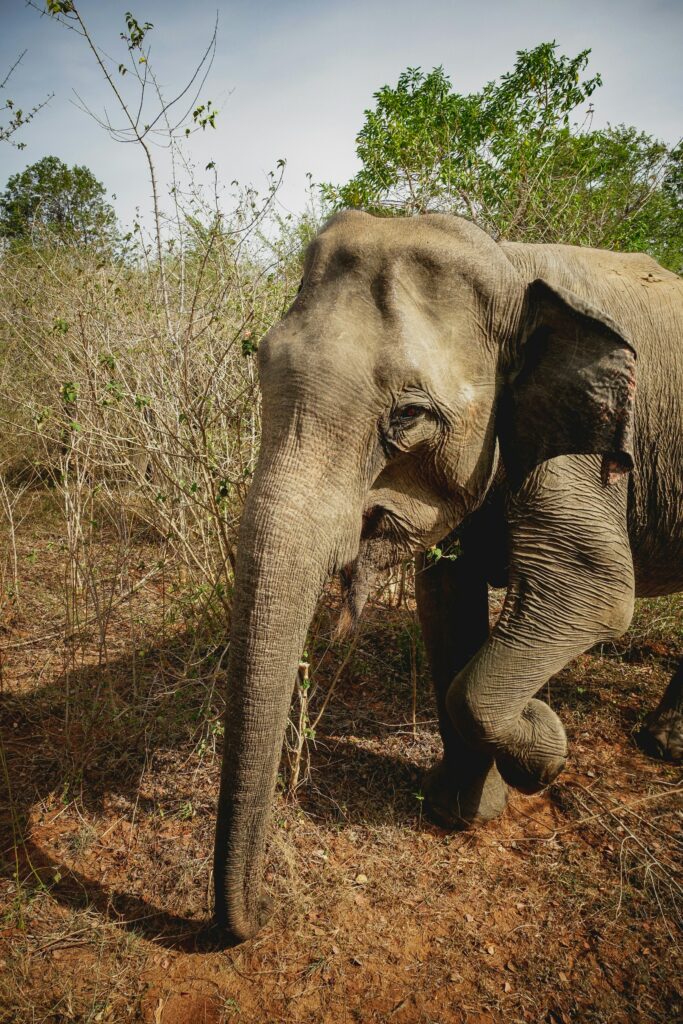
Sri Lanka’s rich natural landscape is home to one of the most magnificent creatures on Earth—the Sri Lankan elephant (Elephas maximus maximus). A subspecies of the Asian elephant, these gentle giants are an integral part of the island’s history, culture, and biodiversity. From their presence in the wild to conservation efforts aimed at protecting them, elephants hold a unique place in Sri Lanka’s identity.
Where to See Elephants in Sri Lanka
Today, the best way to experience the majesty of Sri Lankan elephants is in their natural habitat. The country boasts several national parks where visitors can witness herds roaming freely:
- Udawalawe National Park – One of the best places to see wild elephants up close, especially near the Udawalawe Reservoir.
- Minneriya National Park – Home to the famous Gathering, where hundreds of elephants congregate around the Minneriya Tank during the dry season.
- Yala National Park – While better known for its leopards, Yala also hosts a healthy population of elephants.
- Wilpattu National Park – A lesser-visited park where elephants move between dense forests and open water bodies.
- Pinnawala Elephant Orphanage – A rehabilitation center for orphaned and injured elephants, where visitors can observe their care and feeding.
Conservation Challenges and Efforts
Despite their revered status, Sri Lankan elephants face serious threats, primarily due to habitat loss and human-elephant conflict. As deforestation increases, elephants are forced into human settlements, leading to tragic encounters. Conservation groups and wildlife authorities are working to create sustainable solutions, including:
- Wildlife Corridors – Designated pathways that allow elephants to move safely between forests.
- Electric Fences and Early Warning Systems – Measures to prevent elephants from entering villages while protecting both humans and animals.
- Eco-Tourism Initiatives – Responsible tourism helps fund conservation while ensuring elephants are observed in ethical ways.
Organizations like the Sri Lanka Wildlife Conservation Society and the Department of Wildlife Conservationcontinue to educate and implement projects to ensure the survival of these majestic creatures.
Ethical Tourism: Responsible Encounters with Elephants
If you’re visiting Sri Lanka, it’s important to engage in ethical tourism practices. Avoid elephant rides or performances, as they often involve cruel training methods. Instead, opt for safaris in national parks or visit reputable sanctuaries that prioritize the well-being of elephants.
At Made in Ceylon, we celebrate Sri Lanka’s heritage and natural beauty through our handcrafted products. Our diverse range of elephant-themed products, inspired by the strength and elegance of Sri Lanka’s elephants, is a tribute to these incredible animals. Each piece is handmade, capturing the essence of traditional craftsmanship while supporting sustainable practices.
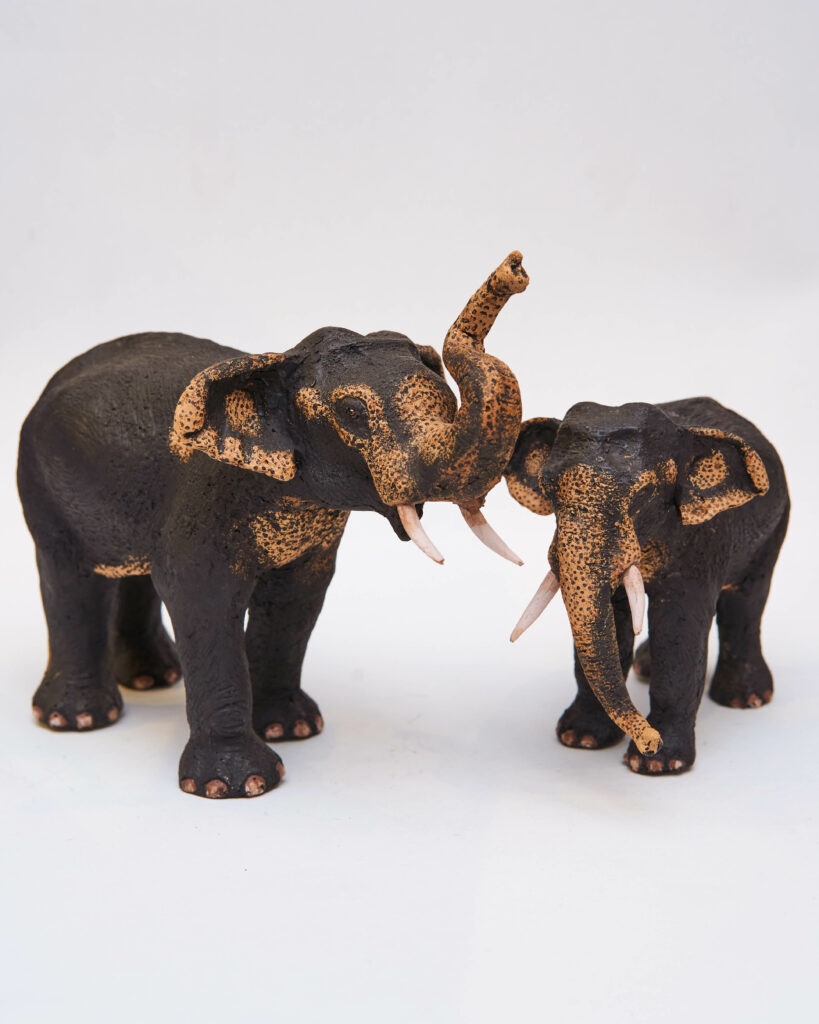
A realistic sculpture of the Sri Lankan Elephant available at Made In Ceylon
Supporting Elephant Conservation
At Made in Ceylon, we believe in giving back to the land and wildlife that inspire us. That’s why we are working on launching an initiative to support elephant conservation through our elephant-themed product range. Soon, a portion of the proceeds from these products will go toward conservation efforts in Sri Lanka, helping to protect wild elephants, support orphaned calves, and promote sustainable coexistence.
We are currently exploring partnerships with conservation organizations to ensure our contributions have a real impact. Stay tuned as we bring this vision to life!
Protecting Sri Lanka’s Giants for the Future
Sri Lanka’s elephants are more than just a national treasure—they are a symbol of resilience and coexistence. By supporting conservation efforts and making ethical choices as travelers and consumers, we can help ensure that future generations will continue to witness the majesty of these gentle giants roaming freely across the island’s landscapes.
Explore our collection of Sri Lankan-inspired handcrafted products at Made in Ceylon, and join us in celebrating and protecting the heritage of this beautiful island.


Add comment